
Maui Whale Season: Best Months, Best Bases, and When to Book Your Tour
Planning around Maui whale season? This guide shows the best months, the best parts of Maui to base on, and the boat styles that suit different travelers.


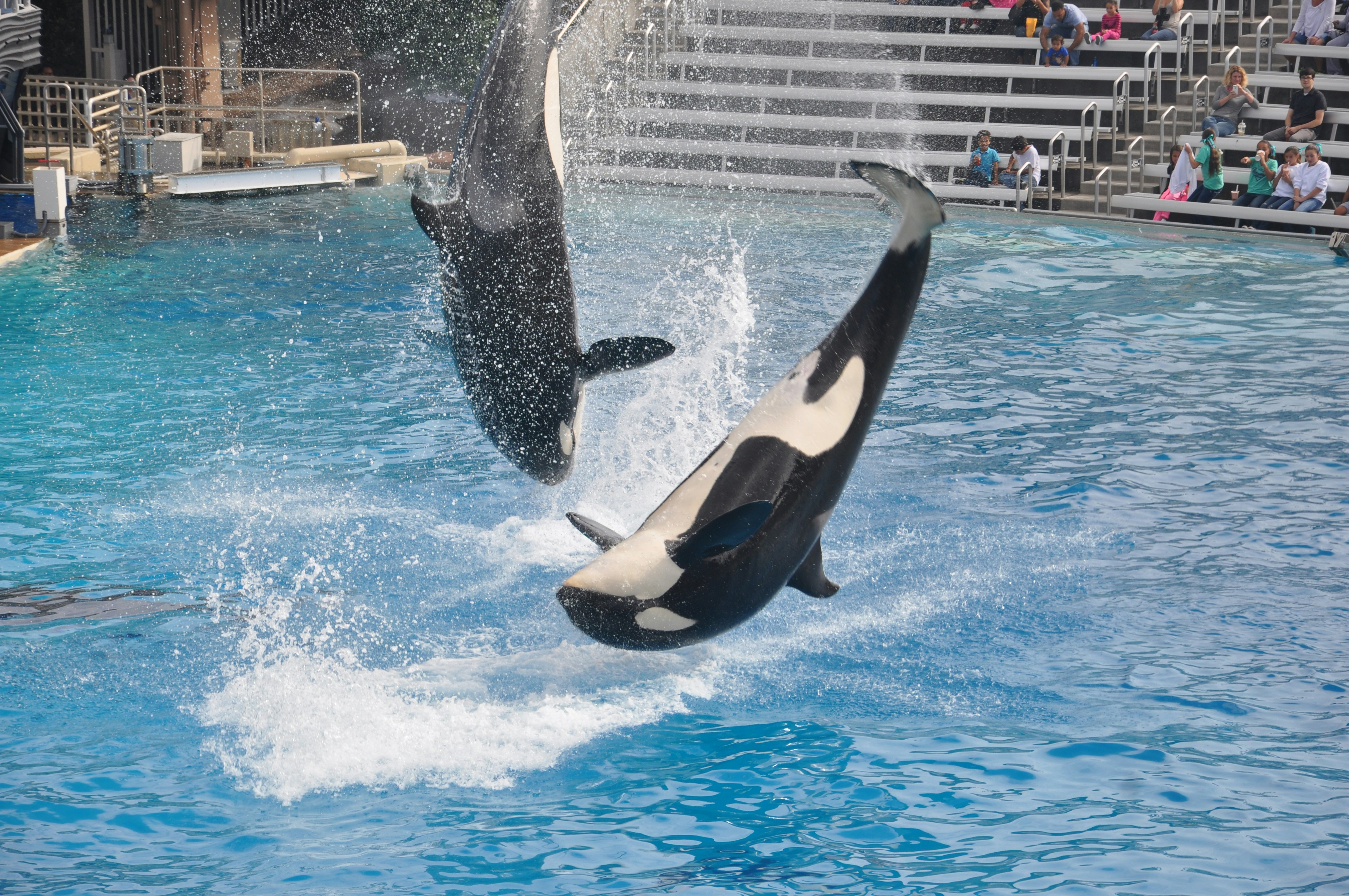
Maui makes whale watching look inevitable. Photos of breaches, warm winter light, easy harbor departures, and stories about seeing whales from shore make it sound like any winter day will do. That is not how expensive trips should be planned. Maui whale season is strong, but the quality of the trip still changes with the month, the harbor, and the kind of boat you choose.
My recommendation is straightforward: if whales are a priority, come in February, stay on the leeward side in Kihei, Wailea, Kaanapali, or near Maalaea, and book a morning tour on a boat that matches your comfort level rather than your adrenaline fantasy. Maui is one of the easiest places to get a worthwhile whale day, but it still pays to plan like an adult.
The short answer
| Traveler type | Best move | Why |
|---|---|---|
| Traveler who wants the highest-confidence month | Go in February | It is the cleanest peak-season window for humpback density and visible activity |
| Traveler who wants easier boat access | Base near Maalaea, Kihei, or West Maui | You stay close to the main whale-watching waters and avoid cross-island friction |
| Motion-sensitive traveler or family group | Choose a larger catamaran in the morning | Calmer early conditions and more stable boats make the day much easier |
When is Maui whale season actually best?
Hawaiian humpbacks start arriving in the winter, but if you want the tightest answer instead of the broadest one, mid-January through mid-March is the window to prioritize. That is the part of the season I would trust for a whale-first trip.
February is the best single month
If you are asking me to pick one month and stop hedging, I pick February. It is the easiest way to reduce regret because the season is fully on, sightings are frequent, and the trip does not depend on you getting lucky at the edges.
January and March are both very strong
January is smart if you want a peak-season trip with slightly more room on the calendar before spring travel patterns change. March is still excellent and often brings active surface behavior, but if you want the safest simple answer, February remains cleaner.
December and April are edge-season choices
If you are already going to Maui, whale watching may still be worth trying. But if whales are the main reason you are building the trip, do not aim for the edges when the middle of the season exists.
Where should you stay on Maui for whale watching?
South and West Maui are the easy-answer bases
The leeward side wins because it puts you closest to the main whale-watching waters without turning the departure into a project. Kihei, Wailea, Kaanapali, and nearby areas all make sense if your goal is waking up and getting to the boat without stress.
For most travelers, the best base is the one that keeps the day feeling easy. There is no prize for picking a pretty part of the island that quietly adds too much transfer friction.
Maalaea is the practical harbor move
If whale watching is the headline reason for this section of the trip, being near Maalaea is underrated. The harbor is central, the water access is excellent, and it often gives the cleanest logistics. I would not choose your whole holiday around the harbor, but I would absolutely let it influence where you stay.
West Maui is strong if you want broader resort appeal
Kaanapali and surrounding areas work well for travelers who want the whale trip plus a classic Maui beach-resort feel. That combination is why West Maui remains such a good fit for couples and families. You get easier access to good whale water without sacrificing the rest of the vacation.
Plan your whale-watching trip with a better shot at a real sighting
SearchSpot compares destinations, seasons, and trip logistics so you can choose a whale-watching plan that actually makes sense.
Plan your whale-watching trip on SearchSpot
What you can realistically expect by month
Maui is about humpbacks. That is the real draw. You may see different behaviors, mother and calf pairs, or more or less surface action depending on timing and conditions, but the planning logic should stay simple: build the trip around the humpback season peak rather than turning the day into a fantasy wildlife checklist.
That is especially important in Hawaii, where people assume warm weather means automatic perfection. It does not. A calm February morning with the right boat beats a sloppier shoulder-season gamble almost every time.
The boat style question matters
Maui has enough operator variety that travelers can easily choose the wrong one for their temperament. A larger catamaran or more stable sightseeing boat is usually the right call for first-timers, families, and anyone who gets queasy. A smaller raft-style or faster, more exposed boat can feel thrilling, but it is not automatically the better experience.
My advice is simple:
- Book the larger boat if you want the day to feel easy and social.
- Book the smaller faster boat only if you know you like that kind of ride.
- Book mornings if you care about calmer conditions and less chop.
The most common mistake is choosing the most aggressive-looking excursion when what you really wanted was a beautiful wildlife morning, not a test of your sea legs.
Do you need more than one tour?
Usually, no. Maui is one of the destinations where a single well-timed whale outing can be enough, especially in February. If you want a hedge against weather or you are deeply whale-obsessed, a second outing can still make sense. Most travelers do not need to overbuild this.
What matters more is the quality of the one tour you do take: good month, good harbor, good departure time, and a boat that matches your tolerance.
How to choose a better operator
In Hawaii, responsible whale watching matters. I would favor operators that talk clearly about wildlife rules, viewing distance, crew interpretation, and how their boat suits different travelers. If they can explain why you might prefer their tour, not just why their photos look dramatic, that is useful.
Good operators make you feel more informed before you board. Weak ones make you feel marketed to.
My direct recommendation
If you are planning around Maui whale season, choose February, stay on the leeward side, book a morning departure, and bias toward a stable boat unless you already know you enjoy faster open-water rides. That is the version of the trip most likely to feel both exciting and easy.
The wrong move is assuming the whales make every other decision irrelevant. They do not. Maui rewards good planning because the best whale day is not just about whether whales are in Hawaii. It is about whether your trip shape lets you enjoy them properly.
Choose the right Maui setup before you lock the wrong coast
SearchSpot helps you compare Maui stay areas, harbor logic, and tour style so your whale day matches the rest of your vacation instead of disrupting it.
Compare Maui whale-watching plans on SearchSpot
Source check
This guide was built from current Hawaii and Maui whale-season research, current harbor and trip-planning guidance for Maalaea and the leeward side of Maui, and current operator-level information on boat style, sea conditions, and responsible whale-watching practices.
Turn this research into a real trip plan
SearchSpot helps you compare stays, routes, neighborhoods, and decision tradeoffs in one planning flow so you can move from reading to booking with more confidence.