
How to Plan Solo Trips Without Overthinking Every Decision in 2026 with AI
Planning a solo trip can feel overwhelming with endless choices and research. This guide shows how AI travel planners help you create stress-free itineraries and make smarter travel decisions in minutes.

Planning a solo trip should feel exciting. But for many travelers, it quickly becomes overwhelming.
You open ten different travel blogs, compare dozens of hotel options, watch hours of YouTube travel guides, and scroll through endless itineraries. Suddenly the excitement of traveling alone turns into decision fatigue.
Where should you stay?
Which attractions are worth visiting?
How many days should you spend in each place?
In 2026, travelers are solving this problem in a smarter way — using AI travel planning tools that simplify the entire process.
Instead of spending days researching, AI can help generate personalized itineraries, travel routes, and recommendations in minutes.
In this guide, you'll learn how to plan solo trips without overthinking every decision using AI.
Why Solo Trip Planning Feels Overwhelming
Solo travel gives you complete freedom — but it also means you make every decision yourself.
Some of the biggest challenges include:
Too Many Options
The internet offers thousands of travel guides, blogs, and recommendations. More information doesn't always make planning easier.
Decision Fatigue
Every decision adds mental load:
- choosing destinations
- selecting hotels
- planning daily itineraries
- budgeting expenses
After dozens of decisions, planning starts to feel exhausting.
Fear of Missing Out (FOMO)
Many travelers worry about missing "must-see" attractions. This often leads to overpacked itineraries that remove the joy of travel.
The truth is: great trips are rarely perfectly optimized.
They are flexible and personal.
How AI Is Changing Travel Planning in 2026
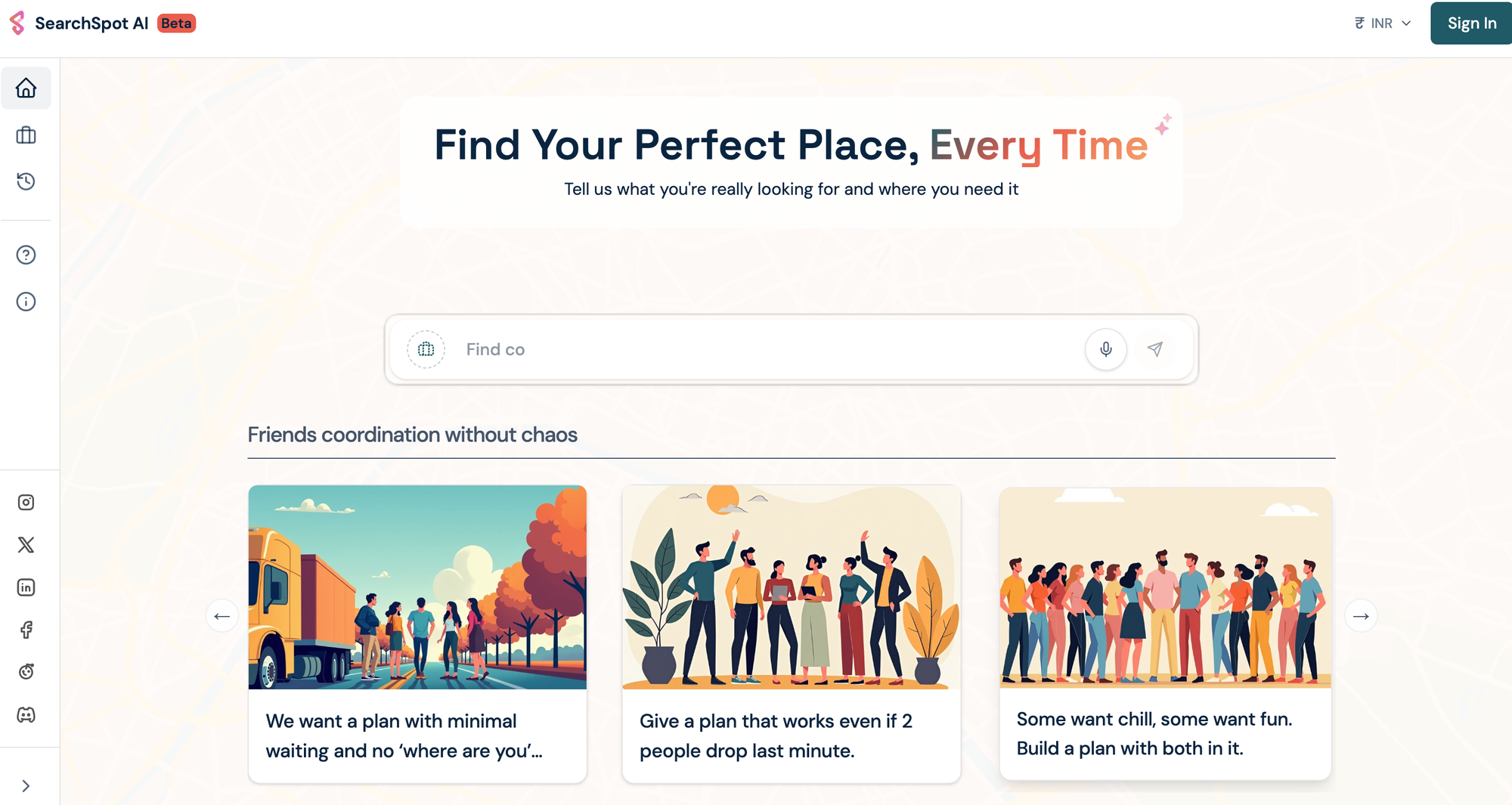
AI travel tools are transforming how people plan trips.
Instead of manually researching everything, travelers can now use AI to:
- generate custom itineraries
- discover attractions based on interests
- optimize travel routes
- estimate budgets
- suggest accommodations
This reduces planning time from hours or days to just a few minutes.
AI doesn't replace your choices — it simply organizes them in a smarter way.
Step-by-Step: How to Plan a Solo Trip with AI
1. Start With Your Travel Style
Before planning anything, ask yourself what kind of trip you want.
Examples include:
- Relaxation (beaches, cafes, slow travel)
- Adventure (hiking, outdoor activities)
- Culture (museums, history, architecture)
- Food exploration (street food, restaurants)
Knowing your travel style helps AI tools generate better recommendations.
2. Choose One Destination First
Many travelers make the mistake of comparing too many destinations.
Instead of evaluating ten places, start with one destination that excites you most.
Examples:
- Bali
- Japan
- Portugal
- Thailand
- Italy
Once you pick the destination, everything else becomes easier.
3. Let AI Generate an Initial Itinerary
This is where AI becomes powerful.
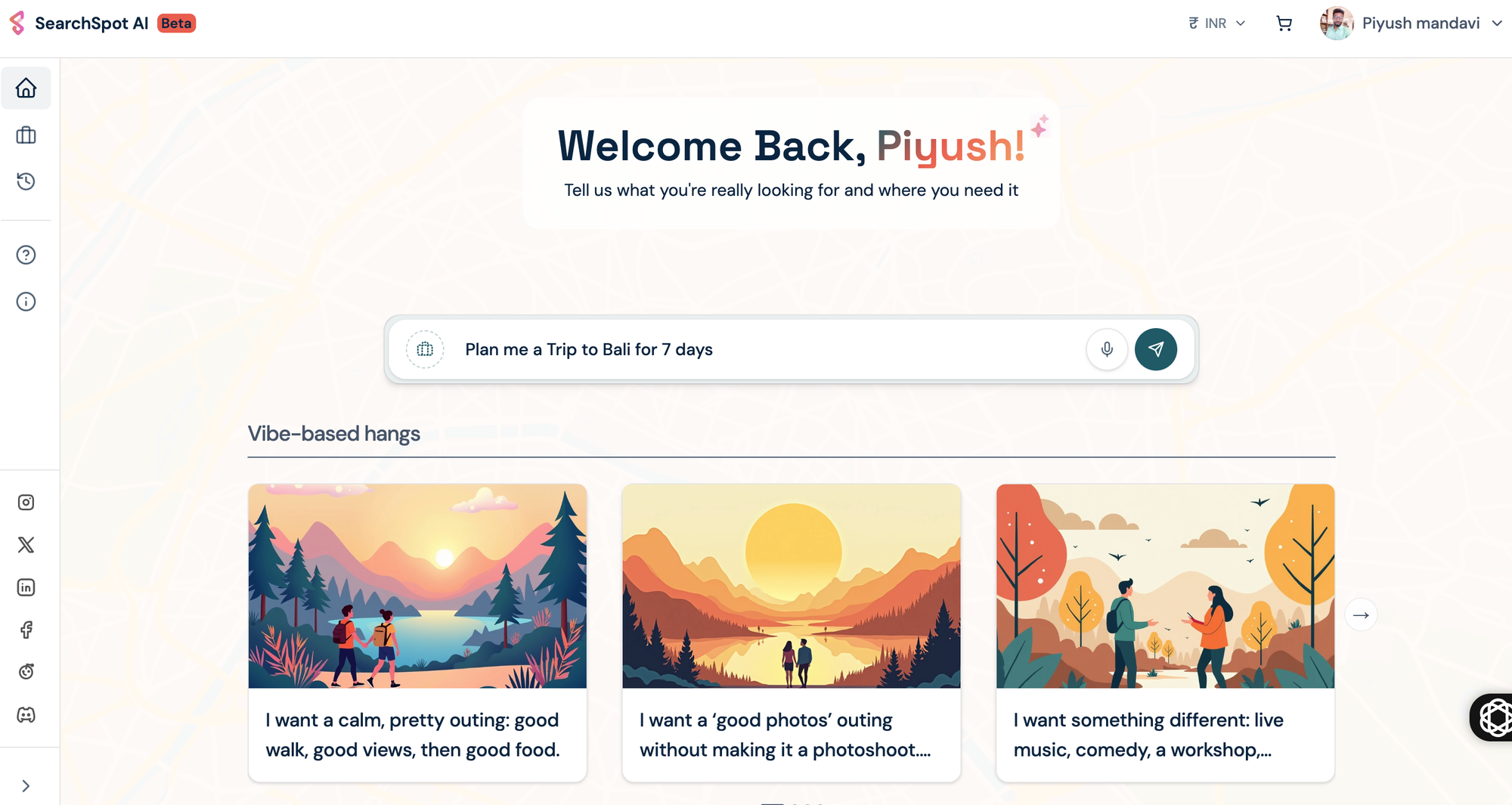
Instead of opening dozens of tabs, simply provide basic information:
- destination
- number of days
- travel budget
- interests (nature, food, nightlife, culture)
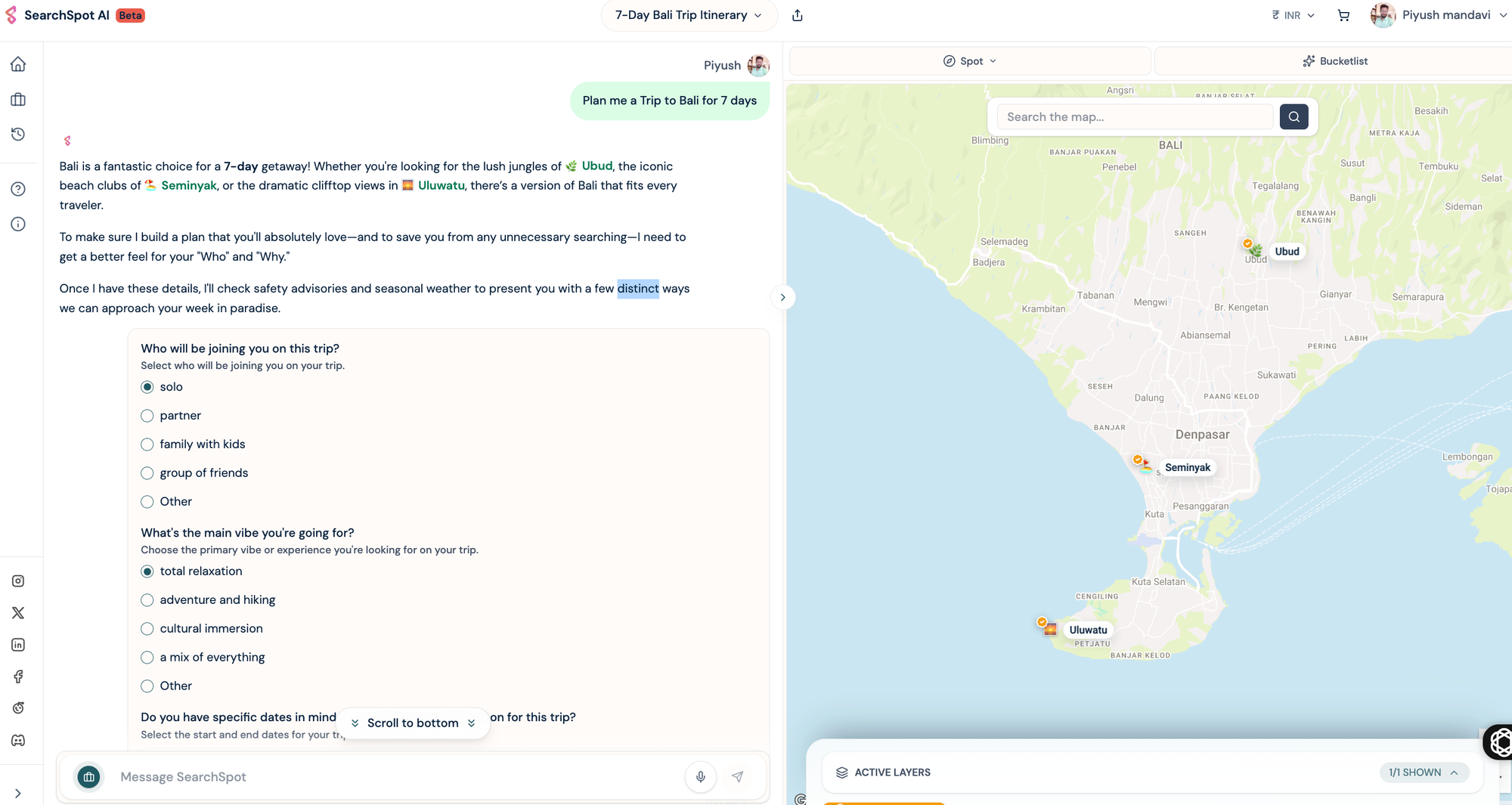
An AI trip planner can instantly generate a structured itinerary with daily plans, attractions, and travel routes.
This removes the hardest part of travel planning: starting from scratch.
4. Simplify Your Daily Schedule
One of the biggest mistakes solo travelers make is overplanning.
You don't need to visit ten attractions every day.
A better structure:
- 2–3 main activities per day
- one relaxed exploration block
- time for spontaneous discovery
This keeps the trip enjoyable instead of exhausting.
5. Book Only the Essentials
You don't need to plan everything before the trip.
Usually, you only need to secure:
- flights
- first hotel or hostel
- travel insurance
Everything else can remain flexible.
This approach reduces planning stress and leaves room for unexpected discoveries.
Why Many Solo Travelers Now Use AI Trip Planners
AI travel planners are becoming popular because they solve three major problems:
Speed
Planning that once took hours now takes minutes.
Personalization
AI adapts recommendations to your preferences instead of generic travel lists.
Reduced Decision Fatigue
Instead of evaluating dozens of options, you receive organized suggestions immediately.
For example, tools like SearchSpot allow travelers to generate travel plans simply by describing their trip.
A request like:
"Plan a 5-day solo trip to Bali focused on beaches and cafes."
can produce a structured itinerary instantly.
Tips for Stress-Free Solo Travel Planning
Here are some simple principles that experienced solo travelers follow.
Focus on Experiences, Not Optimization
Your goal is not to see everything.
Your goal is to enjoy the places you visit.
Leave Space for Serendipity
Some of the best travel memories happen unexpectedly:
- discovering a hidden cafe
- meeting other travelers
- exploring a neighborhood without a plan
Avoid filling every hour of your itinerary.
Trust Your Curiosity
If something looks interesting while traveling, follow it.
Great travel experiences rarely come from rigid schedules.
Final Thoughts
Planning a solo trip doesn't need to be complicated.
The key is to simplify decisions and focus on what matters most: the experience of exploring the world on your own terms.
With modern AI tools, travelers no longer need to spend hours comparing travel guides and building complex itineraries.
Instead, you can generate a personalized plan in minutes, adjust it to your preferences, and spend more time looking forward to the adventure ahead.
Because the best solo trips aren't perfectly optimized.
They're simply memorable.